



Sodium Channel Modulator
- 1
- 2
-
ATX-II TFA
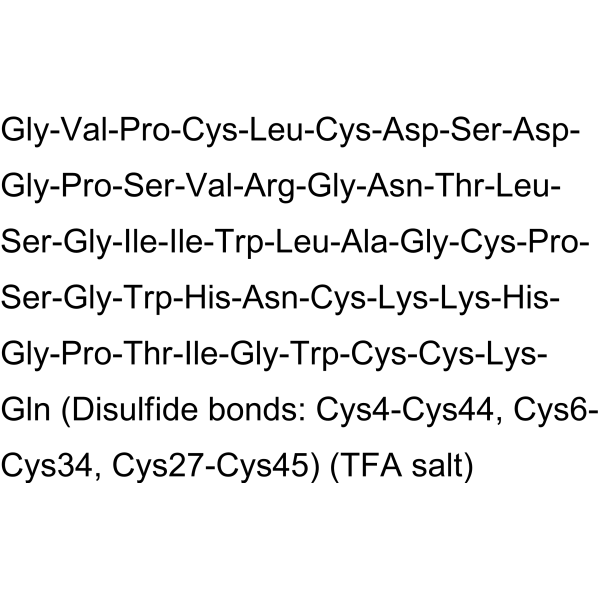 0 ImagesCat. No.: HY-P1604APurity: 99.65%
ATX-II TFA is a selective sodium channel modulator toxin. ATX-II TFA enhances late sodium current, prevents full sodium channel inactivation, and generates persistent current fractions. ATX-II TFA has pro-arrhythmic effect. ATX-II TFA slows intrinsic heart rate, prolongs QT interval and sinus node recovery time, and causes sinus pauses and arrests. ATX-II TFA can be used for the research of atrial fibrillation, long QT syndrome, and long QT3 syndrome.
-
KB130015
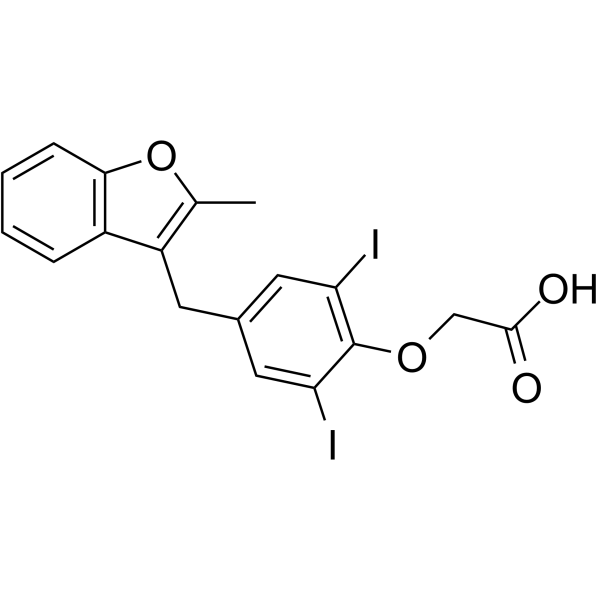 0 ImagesSynonyms: KB015
KB130015 (KB015) is an orally active and potent ThRα and ThRβ (thyroid hormone receptor) inhibitor, with IC50 values of 4.5 and 5.1 μM, respectively. KB130015 markedly slows the kinetics of inactivation of Na+ channels. KB130015 activates hERG1 channels (EC50 = 12.2 μM) and large-conductance Ca2+-activated K+ (BKCa) channels formed by hSlo1 (α) subunits in HEK 293 cells. KB130015 has antiarrhythmic properties. KB130015 can be used for the study of cardiovascular disease.
-
ATX-II
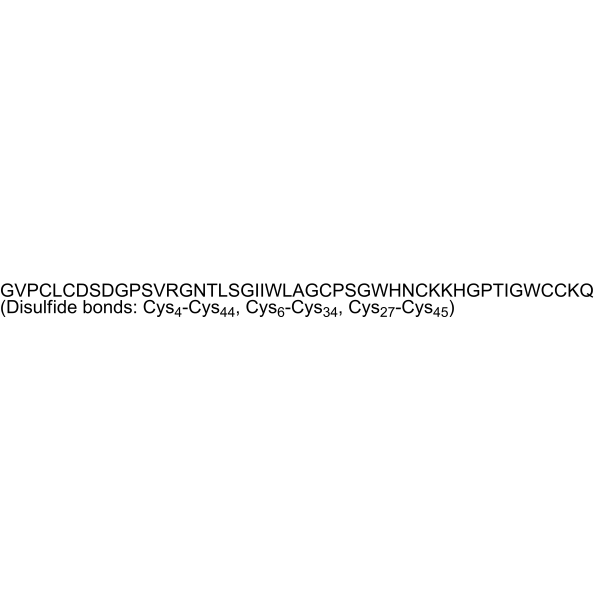 0 ImagesCat. No.: HY-P1604CAS No.: 60748-45-0
ATX-II is a selective sodium channel modulator toxin. ATX-II enhances late sodium current, prevents full sodium channel inactivation, and generates persistent current fractions. ATX-II has pro-arrhythmic effect. ATX-II slows intrinsic heart rate, prolongs QT interval and sinus node recovery time, and causes sinus pauses and arrests. ATX-II can be used for the research of atrial fibrillation, long QT syndrome, and long QT3 syndrome.
-
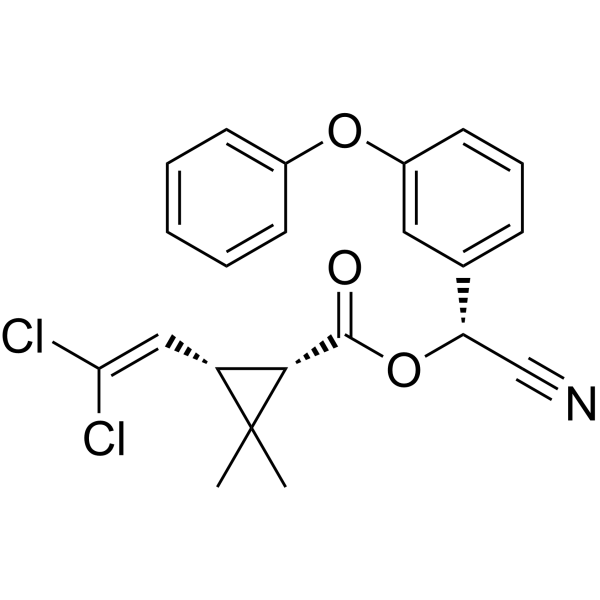
Alpha-Cypermethrin
 0 ImagesSynonyms: FMC 45497; Fendona; WL 85871
Alpha-Cypermethrin (FMC 45497; Fendona; WL 85871) is a type II pyrethroid insecticide. Alpha-Cypermethrin acts by delaying the inactivation of voltage-gated sodium channels, prolonging sodium tail currents, and triggering repetitive neural discharges. Alpha-Cypermethrin exhibits knockdown and lethal activity against target insects such as Musca domestica and Anopheles culicifacies. Alpha-Cypermethrin induces neurotoxicity in mammals, alters placental and fetal neurodevelopment, and causes acute mortality in fish. Alpha-Cypermethrin can be used in studies related to neurotoxicity, vector-borne diseases, and malaria.
-
Poneratoxin acetate
 0 ImagesCat. No.: HY-P10234APurity: 98.35%
Poneratoxin acetate is the acetate salt form of Poneratoxin (HY-P10234). Poneratoxin acetate is the modulator for voltage-gated sodium channel (NaV, EC50 for NaV1.6 and NaV1.7 is 97 nM and 2.3 µM), that lowers the voltage threshold for activation and inhibits the inactivation of channels, enhances the excitability of neurons, and leads to the transmission of pain signals.
-
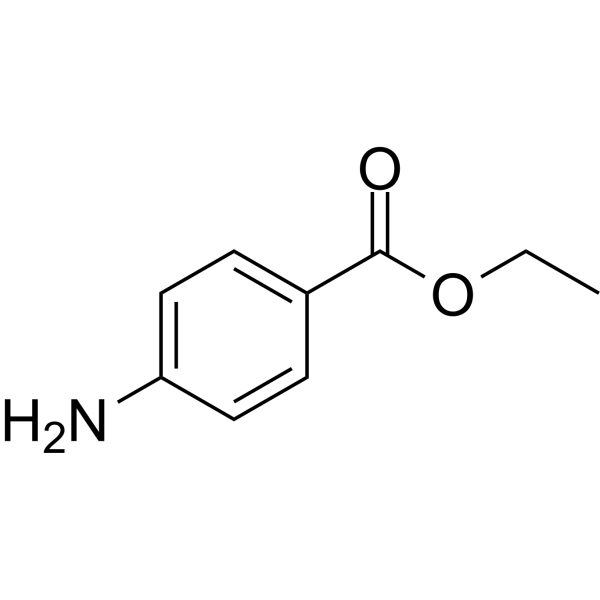
Benzocaine (hydrochloride)
 0 Images
Benzocaine hydrochloride is an orally active local anesthetic. Benzocaine hydrochloride non-competitively inhibits the binding of Ca-ATPase to Ca2+, with an IC50 of 47.1 mM. Benzocaine hydrochloride exerts anesthetic effects by blocking voltage-gated sodium channels. Benzocaine hydrochloride induces methemoglobinemia in various experimental animals.
-
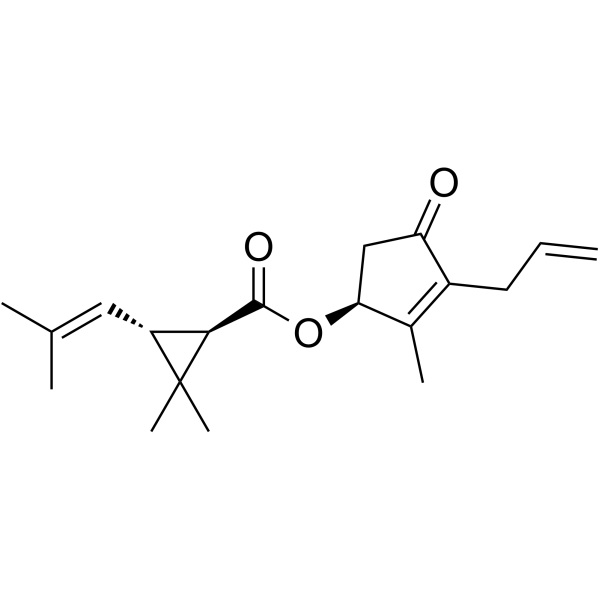
S-Bioallethrin
 0 ImagesSynonyms: D-Trans-Allethrin; Esbiol
S-Bioallethrin (D-Trans-Allethrin) is a pyrethroid insecticide. S-Bioallethrin disrupts nerve function by modifying the gating kinetics of transitions between the conducting and nonconducting states of voltage-gated sodium channels. S-Bioallethrin also causes inhibition of lymphocyte proliferation and induces histamine release from human basophils.
-
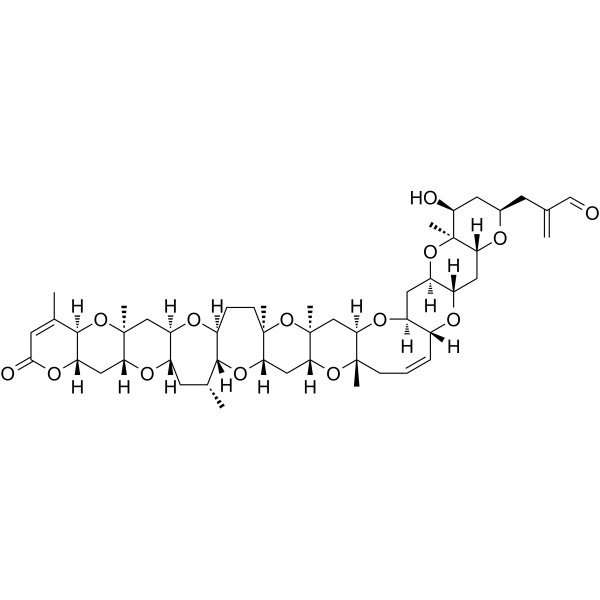
Brevetoxin B
 0 ImagesCat. No.: HY-12546CAS No.: 79580-28-2Synonyms: Brevetoxin-2; PbTx-2
Brevetoxin B (Brevetoxin-2) is a red tide toxin. Brevetoxin B affects sodium, potassium and calcium currents in nerve terminals. Brevetoxin B also modulates the metabolic activity of Jurkat cells, reduces cell viability and induces apoptosis. Brevetoxin B can be used in research on synaptic transmission and tumors.
-
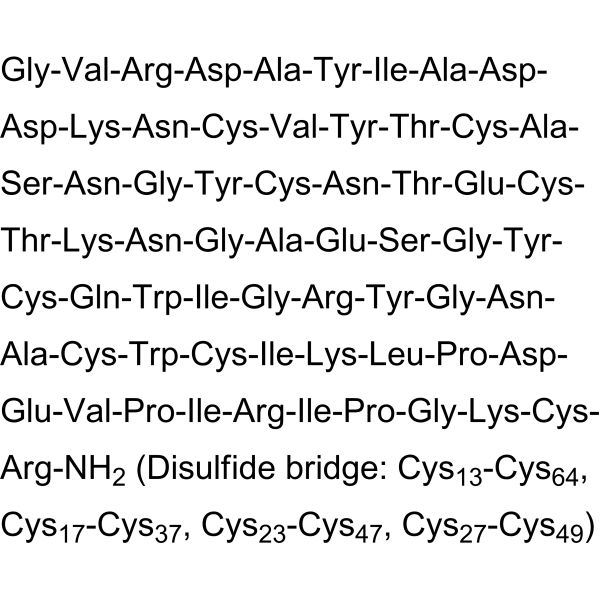
Crotamine TFA
 0 ImagesCat. No.: HY-P5159APurity: 98.42%
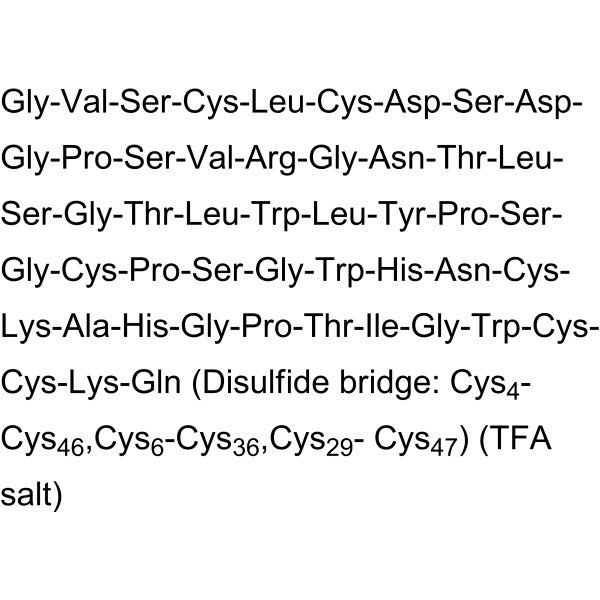
Crotamine TFA is a Na+ channel modulator. Crotamine is a 42 amino acid toxin cross-linked by three disulfide bridges. Crotamine has analgesic activity. Crotamine also interacts with lipid membranes and shows myonecrotic activity. Crotamine can be isolated from Crotalus durissus terrificus venom.
-
Benzocaine (Standard)
 0 Images
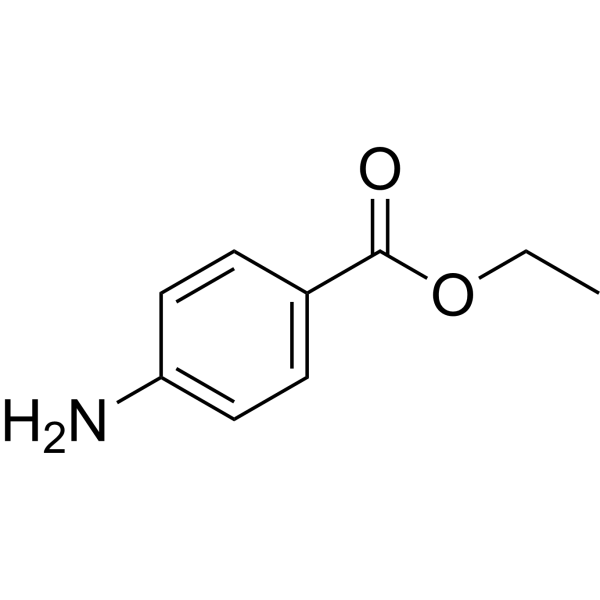
Benzocaine (Standard) is the analytical standard of Benzocaine (HY-Y0258). This product is intended for research and analytical applications. Benzocaine is an orally active local anesthetic. Benzocaine non-competitively inhibits the binding of Ca-ATPase to Ca2+, with an IC50 of 47.1 mM. Benzocaine exerts anesthetic effects by blocking voltage-gated sodium channels. Benzocaine induces methemoglobinemia in various experimental animals.

-
DPI 201-106
 0 ImagesSynonyms: SDZ 201106
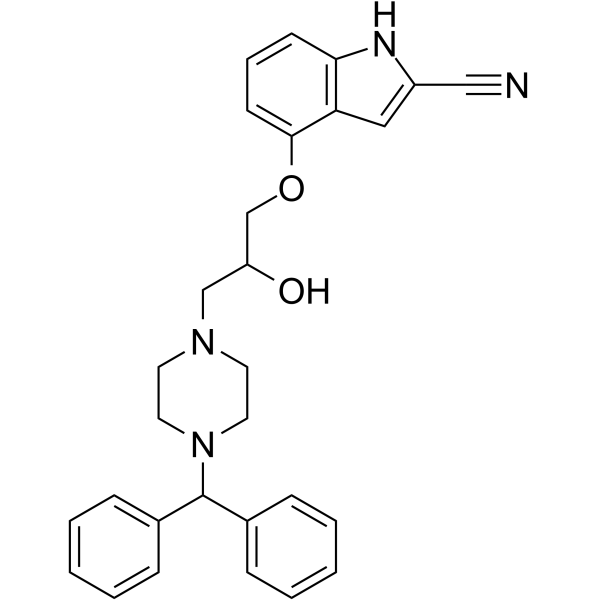
DPI 201-106 (SDZ 201106) is a cardiotonic agent with a synergistic sarcolemmal and intracellular mechanism of action. DPI 201-106 shows cardioselective modulation of voltage-gated sodium channels (VGSCs) resulting in a positive inotropic effect.
-
PF-05661014
 0 Images
PF-05661014, a desmethyl analogue of PF-06526290, selectively inhibits Nav1.3 and Nav1.7 currents by stabilizing inactivated channels via interaction with D4 VSD. PF-05661014 can be used for research of sodium channel modulation.
-
Cariporide (mesilate)
 0 ImagesCat. No.: HY-13412CAS No.: 159138-81-5Synonyms: HOE-642
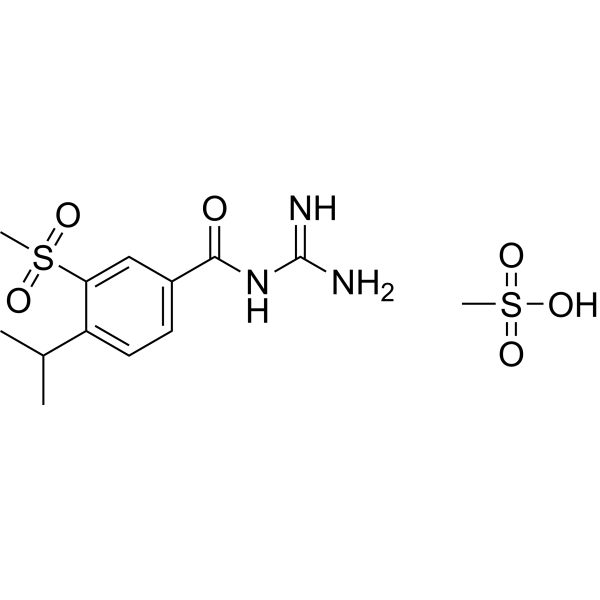
Cariporide is a Na+/H+ Exchanger 1 (NHE-1) inhibitor. Cariporide inhibits the expression of monocyte endothelial cell adhesion and intercellular adhesion molecule-1 (ICAM-1) mediated by high glucose (HG) by inhibiting the activation of NHE-1.
-
Crotamine
 0 ImagesCat. No.: HY-P5159
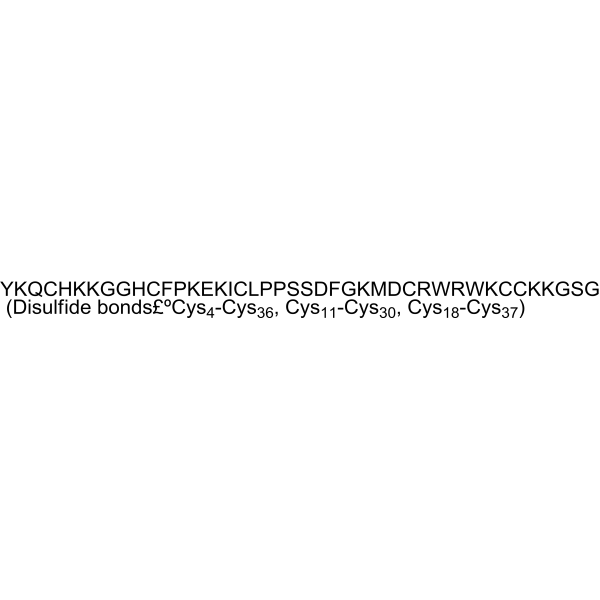
Crotamine is a Na+ channel modulator. Crotamine is a 42 amino acid toxin cross-linked by three disulfide bridges. Crotamine has analgesic activity. Crotamine also interacts with lipid membranes and shows myonecrotic activity. Crotamine can be isolated from Crotalus durissus terrificus venom.
-
Poneratoxin
 0 ImagesCat. No.: HY-P10234CAS No.: 137084-94-7
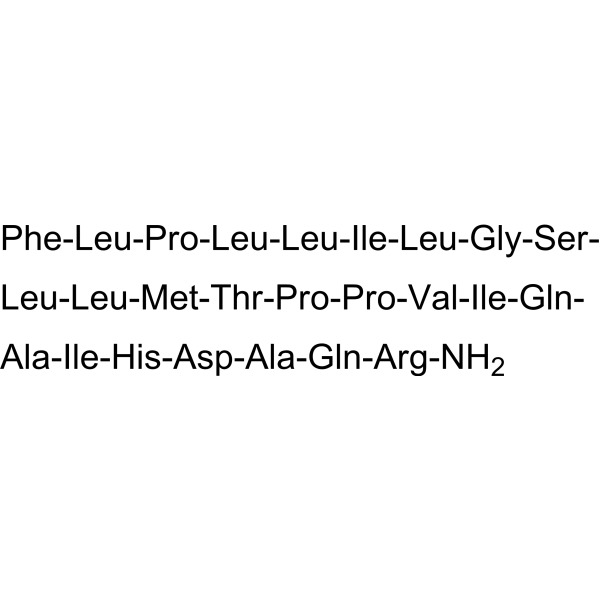
Poneratoxin is the modulator for voltage-gated sodium channel (NaV, EC50 for NaV1.6 and NaV1.7 is 97 nM and 2.3 µM), that lowers the voltage threshold for activation and inhibits the inactivation of channels, enhances the excitability of neurons, and leads to the transmission of pain signals.
-
Dual Nav/NMDAR-IN-1
 0 ImagesCat. No.: HY-184718
Dual Nav/NMDAR-IN-1 (compound 11a) is a dual-target modulator of Nav and NMDAR. Dual Nav/NMDAR-IN-1 increases the thermal stability of Nav and NMDAR and slows their proteolytic degradation, indicating that it binds to both Nav and NMDAR simultaneously. Dual Nav/NMDAR-IN-1 exhibits anticonvulsant activity in a pentylenetetrazole-induced mouse model of seizures and can be used in epilepsy-related research.
- 1
- 2



